Hit-and-Run Accidents in Texas: What to Do After a Crash
A car accident is stressful enough. When the driver responsible for the crash leaves the scene, the situation can become even more frustrating and confusing.
You may be left with injuries, vehicle damage, medical bills, and no information about the person who caused the crash.
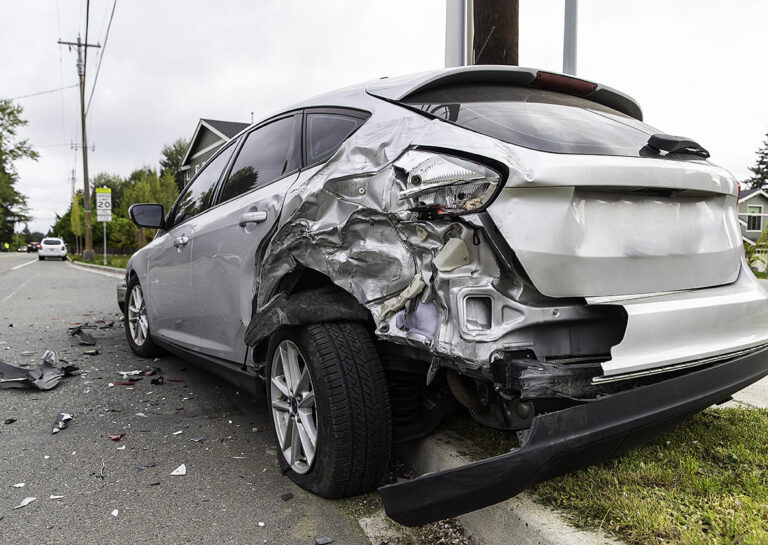
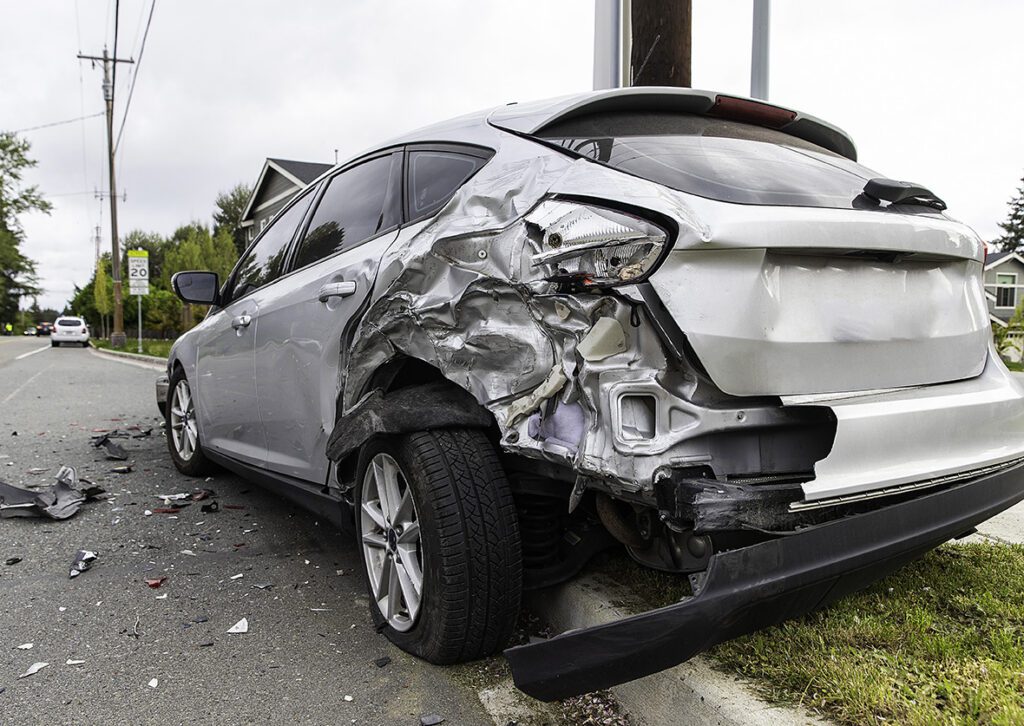
Hit-and-run accidents can happen anywhere in San Antonio. A driver may strike another vehicle on Loop 410 or a busy city street Like Culebra Rd. and leave before exchanging information. Sometimes, the other driver is never identified.
So what happens when the person responsible is gone?
Fortunately, a hit-and-run does not necessarily mean you have no options.
Understanding what to do immediately after the crash, and knowing what insurance coverage may apply, can make an important difference.
What Is a Hit-and-Run Accident?
A hit-and-run occurs when a driver is involved in a crash and leaves without stopping and fulfilling the duties required by Texas law.
Texas Transportation Code §550.021 requires a driver involved in a collision that results, or is reasonably likely to result, in injury or death to stop, determine whether anyone needs assistance, and remain at the scene until the required information has been provided.
Leaving the scene of a crash involving injuries or death can carry serious criminal consequences.
But for the person who was injured, the immediate concern is often much more basic:
What do I do now?
What Should You Do After a Hit-and-Run?
If another driver hits you and leaves, try to stay calm and focus on your safety first.
Call 911
If anyone is injured, request emergency medical assistance.
You should also report the crash to law enforcement. This is particularly important in a hit-and-run because the police report can document the accident and may help investigators identify the driver.
Texas Department of Insurance specifically advises drivers involved in a hit-and-run to call the police. TDI notes that uninsured/underinsured motorist coverage generally will not pay for a hit-and-run claim if the accident was not reported to police.
Get Medical Attention
Some injuries may not be obvious immediately after a crash.
Headaches, neck pain, back pain, dizziness, and other symptoms can develop hours or even days later.
If you are hurt, seek medical attention and follow your doctor’s recommendations.
Write Down Everything You Remember
Even if you didn’t get the other driver’s license plate number, the details you remember could help.
Try to document:
- The vehicle’s make, model, and color
- License plate information, even if you only remember part of it
- The direction the vehicle was traveling
- A description of the driver
- Where the crash occurred
- The approximate time of the crash
- What the vehicle looked like
- Any damage to the other vehicle
Even a partial license plate or description can potentially help investigators.
Look for Witnesses
A witness may have seen something you didn’t.
If someone stopped to help, ask for their name and contact information.
A witness may remember:
- The other vehicle’s license plate
- The direction it traveled
- What caused the crash
- What the driver looked like
- Details about the vehicle
If you are unable to gather this information yourself because of your injuries, law enforcement or others at the scene may be able to help.
Don’t Forget About Cameras
This is especially important in a city like San Antonio.
Depending on where the crash occurred, there may be cameras nearby.
Potential sources of video evidence can include:
- Traffic cameras
- Business security cameras
- Gas station cameras
- Apartment or residential security systems
- Dashcams
- Doorbell cameras
- Parking lot surveillance
- Cameras at nearby intersections
But video evidence may not be available forever.
Businesses and other property owners may routinely overwrite or delete older footage. That’s one reason investigating a hit-and-run quickly can be so important.
What If the Driver Is Never Found?
This is one of the biggest concerns after a hit-and-run.
If the driver cannot be identified, you may wonder:
Who is going to pay for my medical bills and other losses?
This is where uninsured/underinsured motorist coverage, commonly called UM/UIM coverage, may become extremely important.
Texas Department of Insurance explains that UM/UIM coverage can provide protection when the at-fault driver does not have insurance, does not have enough insurance, or is a hit-and-run driver who cannot be identified.
UM/UIM coverage may provide benefits for certain losses, including medical expenses, pain and suffering, and property damage, depending on the policy and circumstances.
What Is UM/UIM Coverage?
Uninsured motorist coverage can help when the driver who caused your accident does not have insurance—or when the driver is a hit-and-run driver who cannot be identified.
Underinsured motorist coverage can help when the at-fault driver’s insurance is not enough to cover the damages caused by the crash.
In Texas, insurance companies generally must offer UM/UIM coverage when you purchase auto insurance. If you don’t want the coverage, you must reject it in writing.
This is one reason it is worth knowing what your own auto insurance policy actually covers.
What If Your Car Was Damaged but You Were Not Injured?
A hit-and-run doesn’t always involve physical injuries.
You may return to your parked vehicle and discover that someone hit it and left. Or another driver may damage your vehicle while you’re stopped at a light.
Texas law also establishes duties for drivers who strike unattended vehicles. Depending on the circumstances and the amount of damage, leaving without providing the required information can be a criminal offense.
Your insurance options may include collision coverage or UM/UIM property damage coverage, depending on your policy.
What If You Were Seriously Injured?
A hit-and-run can create a unique personal injury situation because the person who caused the crash may initially be unknown.
If you suffered significant injuries, an attorney may be able to investigate the circumstances surrounding the crash and review available insurance coverage.
That may include looking at:
- Your own UM/UIM coverage
- The police investigation
- Available video footage
- Witness statements
- Medical records
- Accident evidence
- Potentially responsible parties
The sooner an investigation begins, the more likely important evidence may still be available.
How Can Carabin Law Help?
At Carabin Law, we understand how frustrating it can be to deal with an accident when the person responsible is nowhere to be found.
You shouldn’t have to navigate the aftermath alone.
Our team can help investigate the circumstances surrounding your accident, review available insurance coverage, and help you understand your legal options.
Most importantly, we believe you deserve to be treated like a person, not a claim number.
Every Case Matters. Every Client Counts.
If you or someone you love has been injured in a hit-and-run accident in San Antonio or elsewhere in Texas, Carabin Law is here to help.
This blog is for general informational purposes only and is not intended to provide legal advice. Every case is different, and the information in this article does not create an attorney-client relationship.