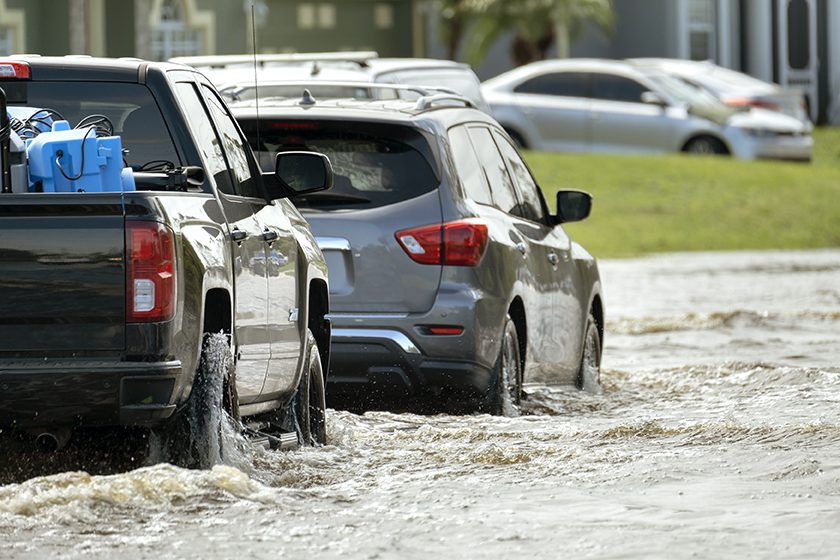
Severe weather has impacted San Antonio repeatedly in recent weeks, bringing heavy rainfall, tornado warnings, flooded roads, power outages, and dangerous driving conditions.
While many people think flooding only becomes dangerous during major hurricanes, flash floods can happen quickly with little warning, especially in areas like San Antonio that are prone to low-water crossings and sudden roadway flooding.
Understanding what a flash flood warning means and how to respond can help protect you and your family during severe weather.
What Is a Flash Flood Warning?
A flash flood warning means flooding is already happening or is expected to happen soon in your area.
Unlike regular flooding, flash floods develop rapidly. Heavy rainfall can overwhelm roads, creeks, drainage systems, and intersections within minutes.
According to the National Weather Service, flash floods are among the deadliest weather-related hazards in the United States.
Why Flash Floods Are So Dangerous
Flash floods can become deadly very quickly because drivers and pedestrians often underestimate the force of moving water.
Even shallow floodwaters can create dangerous situations:
- Six inches of moving water may cause drivers to lose control
- One foot of water can carry away many vehicles
- Flooded roads may hide debris, sinkholes, or washed-out pavement
- Water levels can rise rapidly at night when visibility is low
More than half of flood-related deaths nationwide involve vehicles driven into floodwaters.
Recent storms across South Texas have already led to dangerous rescues and tragic loss of life.
Flash Flood Driving Safety Tips
Driving during a flash flood warning can become extremely dangerous within minutes.
To stay safer on the road:
- Never drive through flooded streets or low-water crossings
- Turn around if you see standing or moving water
- Avoid bypassing barricades or warning signs
- Slow down during heavy rain and low visibility
- Keep extra distance between vehicles
- Avoid nighttime driving during severe storms when possible
- Monitor local traffic and weather alerts before traveling
The phrase “Turn Around, Don’t Drown” exists for a reason.
Floodwaters can move vehicles much faster than many people realize.
Home Safety Tips During Flash Flood Warnings
Flash flood preparation is also important at home.
If a flash flood warning is issued:
- Stay informed through weather alerts and local news
- Charge phones and emergency devices ahead of storms
- Move valuables and important documents to higher ground
- Avoid walking through floodwaters
- Prepare emergency supplies, flashlights, batteries, and medications
- Keep children and pets away from drainage areas and creeks
- Be prepared for sudden power outages
Recent storms left thousands of San Antonio residents without power after severe thunderstorms and flooding moved through the area.
What To Do After a Flood-Related Accident
Flood-related crashes and injuries can happen quickly during severe weather.
If you are involved in an accident during flooding or severe storms:
- Seek medical attention immediately
- Call law enforcement if possible
- Document the scene safely with photos or videos
- Avoid driving through additional flooded areas
- Contact your insurance company
- Speak with an experienced personal injury attorney if negligence contributed to the accident
In some cases, dangerous roadway conditions, negligent drivers, or unsafe property conditions may contribute to serious injuries during severe weather events.
Flash floods can happen fast, especially across San Antonio and South Texas.
Staying informed, avoiding flooded roads, and taking weather warnings seriously can help protect you and your loved ones during severe storms.
When severe weather strikes, preparation and quick decision-making can save lives.
How can Carabin Law Help?
At Carabin Law, we understand how quickly dangerous weather conditions can lead to devastating accidents and injuries.
Our team is committed to helping Texans understand their rights after serious motor vehicle accidents and weather-related injury claims.