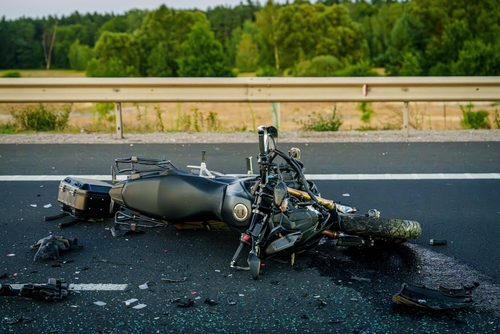
Motorcycles offer a sense of freedom on the road, but a crash can change a rider’s life in seconds. Without the protection of a passenger vehicle’s frame, airbags, and seat belts, motorcyclists can suffer serious injuries even when traveling at relatively low speeds.
After a motorcycle accident, you may be dealing with medical appointments, missed work, motorcycle repairs, and questions about who will pay for your losses. You may also face an insurance company that disputes what happened.
If you or someone you love has been injured in a motorcycle accident in Texas, understanding your options can help you make informed decisions about what comes next.
What Causes Motorcycle Accidents in Texas?
Motorcycle crashes can happen for many reasons. In some cases, another driver’s actions contribute to the collision. In others, road conditions, visibility, or several factors may play a role.
Common causes include:
- Drivers failing to see motorcycles. A driver may change lanes, turn, or pull into traffic without noticing an approaching rider.
- Unsafe left turns. A vehicle turning left across a rider’s path can leave little time to avoid a collision.
- Distracted driving. Looking at a phone, adjusting navigation, or taking attention away from the road can have serious consequences.
- Following too closely. Tailgating can leave a motorcyclist with too little room to respond to sudden traffic changes.
- Unsafe lane changes. A driver who fails to check mirrors and blind spots may move into a motorcycle’s path.
- Road hazards. Loose gravel, potholes, uneven pavement, debris, and slippery surfaces can create dangerous conditions for riders.
- Speeding or impaired driving. Excessive speed and reduced reaction time can increase the risk and severity of a crash.
Understanding what caused an accident is important when determining whether another person or entity may be legally responsible. Every crash is different, and liability depends on the available evidence and circumstances.
Why Motorcycle Accident Injuries Can Be Serious
Motorcyclists have less physical protection than people inside passenger vehicles. When a collision occurs, a rider may be thrown from the motorcycle or struck by another vehicle or the roadway.
Possible injuries include:
- Traumatic brain injuries and concussions
- Spinal cord injuries and other back injuries
- Broken bones and fractures
- Road rash, burns, and deep cuts
- Shoulder, knee, and other joint injuries
- Internal bleeding and organ damage
- Permanent scarring or disability
Some injuries require emergency treatment, surgery, or months of rehabilitation. Others may not be fully apparent immediately after the crash.
If you experience pain, dizziness, confusion, numbness, or other concerning symptoms after an accident, seek appropriate medical care. Prompt evaluation can help identify injuries and create a record of your treatment.
What Should You Do After a Motorcycle Accident?
The steps you take after a crash can help protect your health and preserve important information about what happened.
1. Get medical attention
Call 911 if anyone is seriously injured or needs emergency assistance. Even if you initially feel okay, consider a medical evaluation. Adrenaline and shock can make it difficult to recognize an injury right away.
Follow your healthcare provider’s instructions and keep records of appointments, treatment, and related expenses.
2. Report the accident
Contact law enforcement when appropriate and cooperate with the responding officers. If a report is created, ask how you can obtain a copy.
A police report may document important details, but it does not necessarily resolve every question about fault.
3. Gather evidence if it is safe
If you are physically able to do so, collect information that may help explain the collision.
This may include:
- Photographs of the vehicles, motorcycle damage, road conditions, and visible injuries
- Names and contact information for witnesses
- The other driver’s insurance and contact information
- The location, date, and time of the crash
- Any available video footage
Do not put yourself in danger to collect evidence. If you cannot gather it yourself, someone you trust may be able to help.
4. Be careful when speaking with insurance companies
You may need to notify your insurer about the crash. However, be cautious about providing a recorded statement to another party’s insurance company or accepting a settlement before you understand the extent of your injuries and losses.
You can ask questions and review documents before deciding how to proceed. If you are unsure about your rights, consider seeking legal guidance.
5. Keep records of your losses
Save medical bills, prescription receipts, repair estimates, proof of missed work, and other accident-related expenses. Keep a record of how your injuries affect your daily activities.
These documents may help establish the impact of the crash if you pursue an injury claim.
Does Not Wearing a Helmet Affect a Motorcycle Accident Claim in Texas?
Texas has specific helmet requirements and exceptions. In general, riders and passengers must wear compliant protective headgear unless an applicable exception applies. For people who are at least 21 years old, an exception may apply if they have completed an approved motorcycle operator training and safety course or have qualifying health insurance coverage.
Helmet use can also become relevant when evaluating a head injury. However, questions about helmet use and questions about who caused a collision are not necessarily the same.
If you were injured in a motorcycle accident, do not assume that a helmet-related issue automatically prevents you from pursuing a claim. The effect of the specific facts should be evaluated under applicable law.
How Can Carabin Law Help?
A motorcycle accident can leave you facing physical pain, financial uncertainty, and questions about what to do next. You should not have to navigate those questions without understanding your options.
Carabin Law helps injured people understand their legal rights and evaluate potential personal injury claims. Depending on the circumstances, that may include reviewing accident reports, examining available evidence, communicating with insurance companies, and assessing the losses associated with an injury.
Every case is different, and no particular result can be guaranteed. The first step is understanding what happened and whether you may have a claim.
If you or someone you love has been injured in a motorcycle accident in San Antonio or elsewhere in Texas, contact Carabin Law for a free case review. Every Case Matters. Every Client Counts.
This blog is for general informational purposes only and is not intended to provide legal advice. Every case is different, and the information in this article does not create an attorney-client relationship.