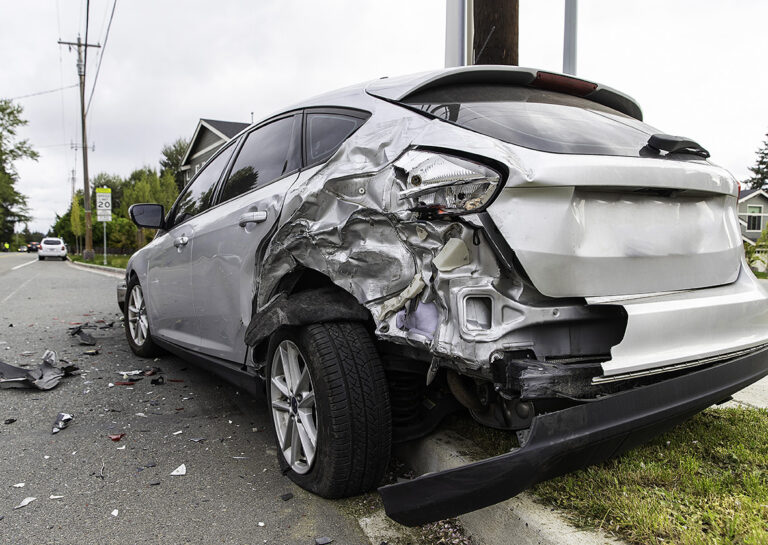
Not every injury is obvious immediately after an accident.
You may walk away from a crash thinking you are fine. Then, hours or even days later, you notice neck pain, headaches, stiffness, dizziness, or other symptoms that were not there before.
This can happen because some injuries take time to become noticeable. Adrenaline and stress can also temporarily mask pain after an accident.
If you develop symptoms after an accident, it is important to take them seriously, even if you initially felt fine.
Why Do Some Injuries Take Time to Appear?
After a traumatic event, your body can go into a heightened state of alert. Adrenaline and other stress responses may temporarily reduce your awareness of pain.
Some injuries also develop symptoms gradually.
For example, a person involved in a rear-end collision may not notice significant neck pain at the scene. The next morning, however, they may wake up with stiffness and limited movement.
Other symptoms may become more noticeable as inflammation develops or as you return to your normal activities.
That is one reason it is important not to assume that feeling okay immediately after an accident means you were not injured.
What are Common Injuries With Delayed Symptoms?
Delayed symptoms can occur with several types of injuries, including:
- Whiplash and other neck injuries
- Back and spinal injuries
- Soft-tissue injuries
- Concussions and other traumatic brain injuries
- Joint and muscle injuries
- Nerve-related injuries
Symptoms can vary depending on the type and severity of the injury.
Some signs to watch for include:
- Neck or back pain
- Headaches
- Dizziness
- Nausea
- Fatigue
- Stiffness
- Muscle soreness
- Numbness or tingling
- Difficulty concentrating
- Changes in vision
- Problems with balance
- Increased sensitivity to light or sound
Some of these symptoms can have causes unrelated to an accident, so they should not automatically be assumed to indicate a specific injury.
What Should You Do If You Start Feeling Pain Later?
If you develop new or worsening symptoms after an accident, consider seeking medical attention promptly.
Tell the medical provider that you were involved in an accident and explain when your symptoms started.
It can also be helpful to keep track of your symptoms. Note when they began, what they feel like, and whether certain activities make them better or worse.
Most importantly, don’t ignore symptoms simply because you initially felt fine.
Does a Delayed Injury Affect a Personal Injury Claim?
A delay between an accident and the appearance of symptoms does not automatically mean you cannot have a personal injury claim.
However, the timing of your symptoms and medical treatment can become important when determining what caused your injury.
Documentation can help establish the connection between the accident, your symptoms, and your treatment.
That may include:
- Medical records
- Diagnostic testing
- Photos of the accident scene or vehicle damage
- Accident reports
- Witness information
- Statements about when symptoms began
- Records showing how the injury affected your work or daily activities
Every situation is different. The circumstances surrounding the accident and your medical history can affect how an injury claim is evaluated.
What If You Didn’t Go to the Emergency Room?
Not going to the emergency room immediately does not automatically mean you were not injured.
Some people do not realize they are hurt until later. Others may initially believe their pain will go away on its own.
If symptoms develop, seeking appropriate medical care and explaining the timing of your symptoms can help create a record of what happened.
If you have questions about whether the timing of your symptoms could affect a potential claim, it may be helpful to speak with a personal injury attorney.
Don’t Ignore What Your Body Is Telling You
After an accident, it is easy to focus on the immediate aftermath, exchanging information, dealing with vehicle damage, contacting insurance, and getting back to your normal routine.
But your health matters too.
If you feel fine immediately after an accident, that is good news. It does not necessarily mean you should ignore symptoms that develop later.
Pay attention to changes in how you feel, seek appropriate medical attention when needed, and keep records of your symptoms and treatment.
How Can Carabin Law Help?
If you were injured in an accident and your symptoms appeared later, you may have questions about what happens next.
At Carabin Law, we understand that an injury is not always obvious at the scene of an accident. Our team can review the circumstances of your accident, your medical treatment, and the evidence available to help you understand your legal options.
Every Case Matters. Every Client Counts.
If you have questions about an injury after an accident, contact Carabin Law for a case review.
This blog is for general informational purposes only and is not intended to provide legal advice. Every case is different, and the information in this article does not create an attorney-client relationship.