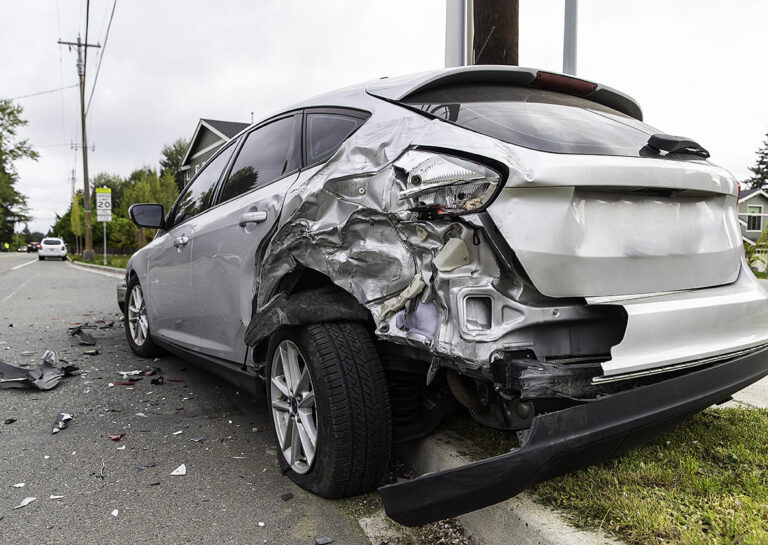
Road construction is necessary to improve Texas highways, but work zones are some of the most dangerous places to drive. Traffic patterns change, space is limited, and hazards appear quickly. These conditions increase the risk of serious accidents for drivers, passengers, and construction workers.
Understanding how these crashes happen can help prevent injuries and clarify when someone else may be responsible.
Why Highway Construction Zones Are Risky
Construction zones disrupt the normal flow of traffic. Drivers who travel the same roads every day may suddenly face:
Narrow lanes
Lane closures or shifts
Reduced shoulders
Concrete barriers
Workers and heavy equipment close to moving traffic
These changes leave little room for mistakes. Drivers must slow down and stay alert. When they do not, crashes can happen in seconds.
Common Ways People Get Hurt in Construction Zones
Narrow Lanes
Temporary lanes are often smaller than standard lanes. Vehicles may sideswipe each other or hit barriers. Large trucks may struggle to stay within lane lines.
Sudden Stops
Traffic may slow or stop without much warning. Drivers who follow too closely may not have time to react, leading to rear-end collisions.
Distracted Drivers
Construction zones require full attention. Still, many crashes involve drivers who are:
Using cell phones
Adjusting GPS
Looking at construction activity instead of traffic
Even a brief distraction can cause a high-impact crash.
Worker Safety Risks
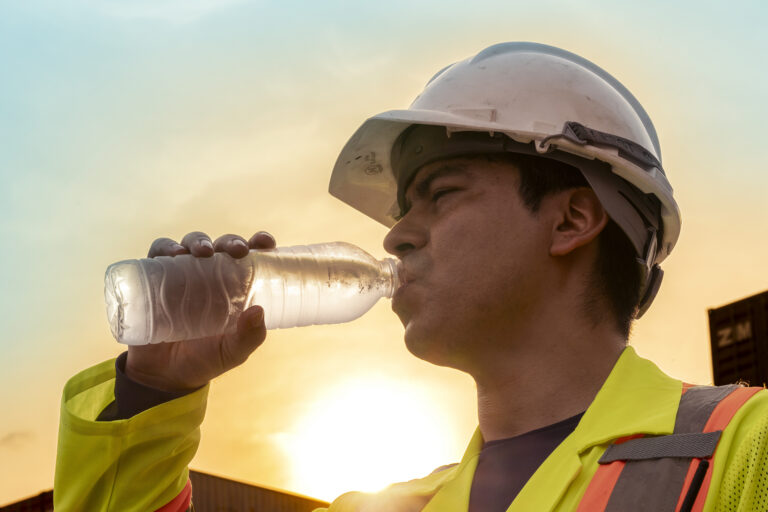
Road workers face extreme danger. A vehicle that drifts out of its lane or ignores warning signs can strike workers or equipment. These incidents often lead to severe or fatal injuries.
Prevention Tips for Drivers
Drivers can lower their risk by taking construction zones seriously:
Slow down when warning signs appear
Leave extra space between vehicles
Put phones away
Watch for flaggers and changing signs
Merge early when lanes close
Expect sudden stops
Defensive driving is critical in work zones where space is tight and hazards are close.
When Someone Else May Be Legally Responsible
Some construction zone crashes involve more than simple driver error. In Texas, liability may involve:
A driver who was speeding, distracted, or tailgating
A commercial trucking company
A construction company that failed to use proper signs or barriers
A contractor responsible for unsafe traffic control
A government entity, in some cases, if road conditions were dangerously maintained
A vehicle manufacturer, if a defect contributed to the crash
Work zone cases can be complex because multiple parties may share responsibility.
What Injured Victims Should Do
After a construction zone crash, taking quick action can protect your health and your legal rights.
Get medical care right away. Some injuries are not obvious at first.
Call law enforcement and request an accident report.
Take photos of lane markings, signs, barriers, and equipment if it is safe.
Get names and contact information from witnesses.
Avoid discussing fault at the scene.
Speak with a personal injury attorney before talking with insurance companies.
Construction zone accidents often involve serious injuries and complicated liability issues. Early legal guidance can help preserve evidence and determine who may be responsible.
How can Carabin Law Help?
Construction zone crashes often involve complex liability and multiple parties. A thorough case review can help determine what happened and who may be responsible.
Carabin Law evaluates accident reports, roadway conditions, work zone setup, and available evidence to identify possible negligence. An attorney can explain your legal options and whether you may be entitled to compensation for medical costs, lost income, and other damages.
Understanding your rights starts with a clear review of your case.
Call us for a free case review!